Ozma - The Doubble Donkey Disc (CD)
The Doubble Donkey Disc is the second studio album by American rock band Ozma.
The Doubble Donkey Disc is composed of two EP concepts sequenced to form one full-length LP. The first, dubbed the Russian Coldfusion EP, comprises the first five tracks. Included on this EP is a cover of "Korobeiniki", a 19th-century Russian folk song later popularized as the theme song to the Game Boy port of the video game Tetris (though it technically appeared first in the Macintosh/Apple IIgs versions by Spectrum Holobyte). Ozma guitarist Ryen Slegr has cited the works of Dmitri Shostakovich as well as the Rentals' early utilization of Eastern Bloc imagery as inspiration for the album's Russian themes. The second half of the album, dubbed the Bootytraps EP, features five tracks, each named after a member of the band's alter ego. The idea for this came from the original "booty" song, "Flight of the Bootymaster". The alter-egos consist of:
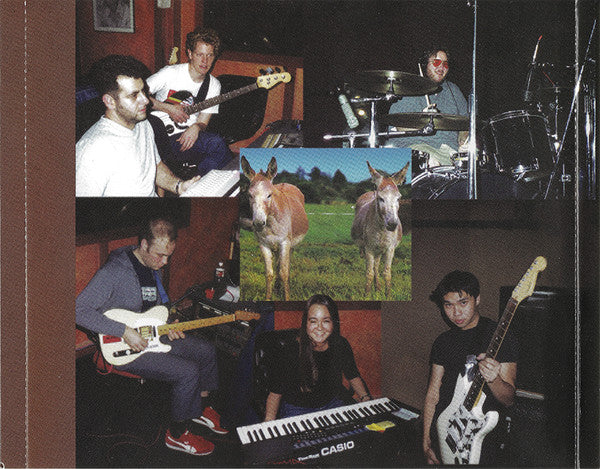
Daniel Brummel - Bootymaestro
Ryen Slegr - Bootymaster
Jose Galvez - Bootymechanic
Patrick Edwards - Bootymetronome
Star Wick – Bootymademoiselle
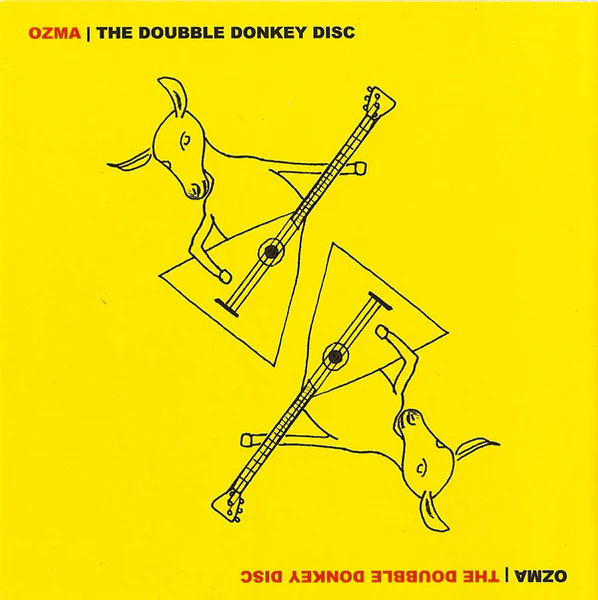
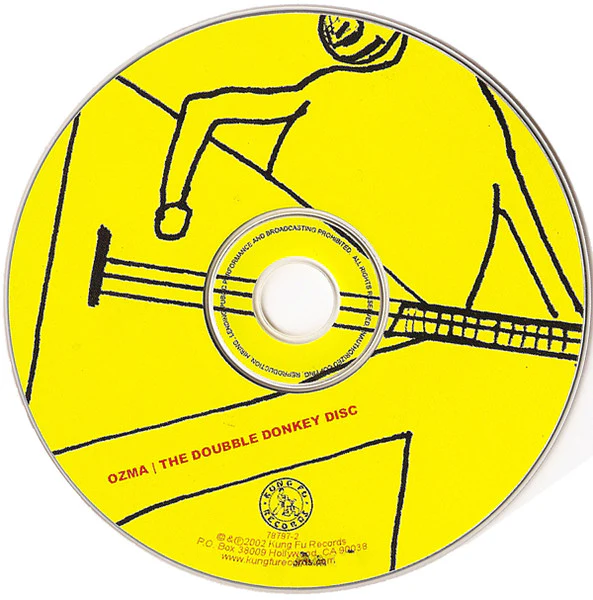
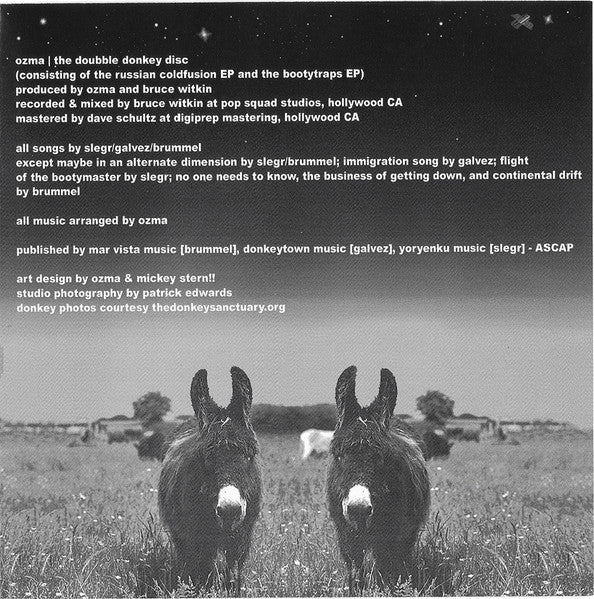
The album's title is derived from Jose Galvez's original American Stratocaster, nicknamed "The Donkey," which featured pictures of donkeys on the pickguard. The spelling of "Doubble" was derived from Ryen questioning why "double" wasn't spelled with 2 B's. The album cover was drawn by Brummel, while the back cover image of a boy playing the balalaika while riding a horse was lifted from a Russian children's book.
More Images
Ozma - The Doubble Donkey Disc (CD)
The Doubble Donkey Disc is the second studio album by American rock band Ozma.
The Doubble Donkey Disc is composed of two EP concepts sequenced to form one full-length LP. The first, dubbed the Russian Coldfusion EP, comprises the first five tracks. Included on this EP is a cover of "Korobeiniki", a 19th-century Russian folk song later popularized as the theme song to the Game Boy port of the video game Tetris (though it technically appeared first in the Macintosh/Apple IIgs versions by Spectrum Holobyte). Ozma guitarist Ryen Slegr has cited the works of Dmitri Shostakovich as well as the Rentals' early utilization of Eastern Bloc imagery as inspiration for the album's Russian themes. The second half of the album, dubbed the Bootytraps EP, features five tracks, each named after a member of the band's alter ego. The idea for this came from the original "booty" song, "Flight of the Bootymaster". The alter-egos consist of:
Daniel Brummel - Bootymaestro
Ryen Slegr - Bootymaster
Jose Galvez - Bootymechanic
Patrick Edwards - Bootymetronome
Star Wick – Bootymademoiselle
The album's title is derived from Jose Galvez's original American Stratocaster, nicknamed "The Donkey," which featured pictures of donkeys on the pickguard. The spelling of "Doubble" was derived from Ryen questioning why "double" wasn't spelled with 2 B's. The album cover was drawn by Brummel, while the back cover image of a boy playing the balalaika while riding a horse was lifted from a Russian children's book.
Product Information
Product Information
Shipping & Returns
Shipping & Returns
Description
The Doubble Donkey Disc is the second studio album by American rock band Ozma.
The Doubble Donkey Disc is composed of two EP concepts sequenced to form one full-length LP. The first, dubbed the Russian Coldfusion EP, comprises the first five tracks. Included on this EP is a cover of "Korobeiniki", a 19th-century Russian folk song later popularized as the theme song to the Game Boy port of the video game Tetris (though it technically appeared first in the Macintosh/Apple IIgs versions by Spectrum Holobyte). Ozma guitarist Ryen Slegr has cited the works of Dmitri Shostakovich as well as the Rentals' early utilization of Eastern Bloc imagery as inspiration for the album's Russian themes. The second half of the album, dubbed the Bootytraps EP, features five tracks, each named after a member of the band's alter ego. The idea for this came from the original "booty" song, "Flight of the Bootymaster". The alter-egos consist of:
Daniel Brummel - Bootymaestro
Ryen Slegr - Bootymaster
Jose Galvez - Bootymechanic
Patrick Edwards - Bootymetronome
Star Wick – Bootymademoiselle
The album's title is derived from Jose Galvez's original American Stratocaster, nicknamed "The Donkey," which featured pictures of donkeys on the pickguard. The spelling of "Doubble" was derived from Ryen questioning why "double" wasn't spelled with 2 B's. The album cover was drawn by Brummel, while the back cover image of a boy playing the balalaika while riding a horse was lifted from a Russian children's book.